

Preparing your Outdoor Construction Site for Winter in Quebec: a Complete Guide
Winter in Quebec requires extensive preparation of outdoor construction sites to avoid costly delays and material damage. Between extreme temperatures, snow accumulations and strict municipal regulations, strategic planning including secure storage, equipment protection, and winter logistics is becoming essential to maintain productivity and protect your investments during the cold season.

Why Winter Preparation is Crucial for your Construction Sites
Entrepreneurs and project managers in Quebec are well aware of the challenges of the Canadian winter. With temperatures that can drop to -30°C and snow accumulations regularly exceeding 200 centimeters in some regions, the cold season is radically transforming working conditions on outdoor construction sites.
Inadequate preparation can have serious consequences: freezing of materials, equipment breakdowns, project delays, and unexpected costs that quickly eat into profit margins. Strategic planning of your construction site before the onset of cold weather is not simply a good practice: it is an operational necessity that protects your assets, your timelines and your professional reputation.
The specific challenges of the Quebec winter for construction sites
Extreme Weather Conditions and Their Impacts
Quebec's winter climate presents unique challenges that few North American regions experience with the same intensity. Repeated freeze and thaw cycles damage materials left outside, especially concrete, wood, and mechanical equipment. According to Environment and Climate Change Canada, Quebec winters are characterized by significant thermal variations that require constant adaptation of working methods.
Heavy rainfall also creates major logistical challenges. The accumulation of snow restricts access to construction sites, complicates the movement of heavy machinery and requires regular snow removal, which represents a significant operational cost. Reduced visibility during storms increases the risk of accidents and significantly slows productivity.
Winter Safety Regulations and Standards
In Quebec, the Commission on Standards, Equity, Health and Safety at Work (CNESST) imposes strict regulations concerning outdoor work in cold weather. Employers must follow specific protocols to protect workers from hypothermia and frostbite, including mandatory warm-up breaks and the provision of appropriate protective equipment.
Municipalities also impose restrictions on working hours, noise, and material storage during the winter season. Failure to comply with these regulations can result in substantial fines and forced site stoppages that compromise your timelines.

Essential Winter Preparation Strategies
Protection and Storage of Equipment and Materials
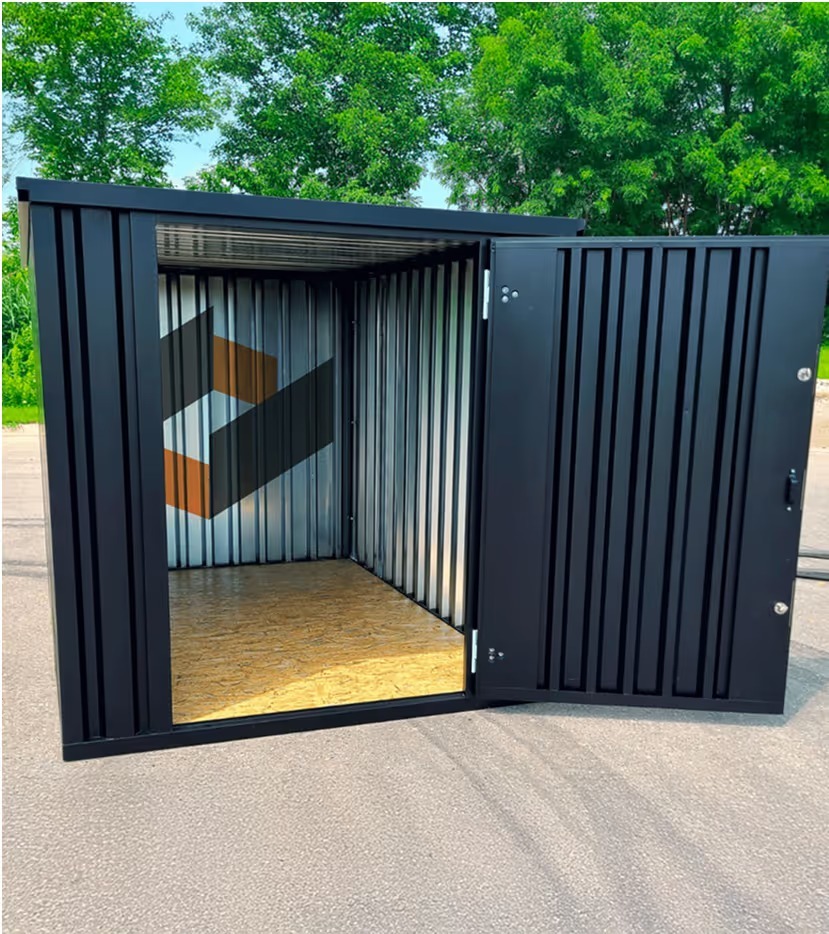
Proper protection of your equipment is the first line of defense against the rigors of winter. Heavy machinery should be stored in secure containers that protect them from humidity, frost, and snow accumulation. This approach significantly extends the life of your assets and reduces maintenance costs.
Frost-sensitive materials — concrete, mortar, adhesives, and paints — require temperature-controlled storage. An insulated container installed directly on the construction site offers a practical solution that eliminates repeated trips to a remote warehouse. This immediate proximity facilitates access to materials and maintains the fluidity of operations despite the difficult conditions.
Critical elements to protect:
- Electrical and mechanical tools sensitive to cold
- Hygroscopic building materials (wood, gypsum, insulation)
- Hydraulic equipment that may freeze
- Small machinery and generators
- Site documentation and technical plans
Logistics Planning and Winter Access
Access to the construction site is often the most complex logistical challenge during the winter. Planning should include regular snow removal protocols, preventive salting of access roads, and the installation of appropriate winter signage. Temporary paths should be designed to support the weight of the machinery even when the ground is frozen or covered with snow.
The strategic use of storage containers positioned near active work areas significantly reduces travel in cold weather. This approach optimizes effective work times and minimizes teams' exposure to the elements. Containers can also be used as temporary shelters for warm-up breaks, thus contributing to compliance with safety standards.
Preventive Maintenance of Equipment
Preventive maintenance before winter prevents costly breakdowns that paralyze operations. Essential checks include replacing fluids with grades suitable for refrigeration, inspecting batteries, lubricating moving parts with frost-resistant products, and checking all backup heating systems.
Generators and compressors should be tested under load to ensure reliability during critical periods. Equipment that refuses to start in -25°C can jeopardize a full day's work and create a domino effect on the entire project schedule.
Professional Solutions vs Improvised Approach
The Benefits of a Professional Approach
Support from professionals specialized in winter construction logistics turns winter challenges into opportunities to demonstrate your operational excellence. An experienced business knows regional best practices, understands the intricacies of municipal regulations, and can anticipate problems before they occur.
Professional solutions include personalized analysis of your needs, recommendation of suitable equipment, strategic storage planning and ongoing support throughout the season. This expertise makes it possible to avoid the costly mistakes that entrepreneurs often make when trying to manage winter preparation without specialized support.
Preventive Planning: the Key to Winter Success
Winter planning should ideally start as early as September, well before the first snowfall. This foresight makes it possible to secure the necessary resources, to train the teams in winter protocols and to progressively install protective infrastructures without haste.
A structured preparation schedule includes the comprehensive inspection of all equipment, the acquisition or rental of storage containers, the updating of emergency plans, and coordinating with suppliers to ensure the availability of critical materials throughout the cold season.
Smart contractors understand that investing in winter preparation protects against potential losses in emergency repairs, downtime, and contractual penalties. This perspective transforms winter preparation from a perceived expense into a profitable strategic investment.
Get your Construction Site Ready for Winter with cConfidence
Winter preparation for outdoor construction sites in Quebec requires expertise, rigorous planning and solutions adapted to the extreme climatic conditions of our province. Between the secure storage of equipment, compliance with safety standards and the complex logistics of winter access, every detail counts to maintain productivity and protect your investments.
A professional and structured approach turns winter challenges into competitive advantages. Entrepreneurs who invest in appropriate storage solutions, who meticulously plan their winter logistics and who surround themselves with experts who know Quebec realities stand out for their reliability and their ability to deliver projects on time, regardless of weather conditions.
Plan your Winter Preparation Now
Winter in Quebec is rapidly approaching and the preparation of your construction site cannot wait. Our team has the expertise to assist you in developing a comprehensive winter strategy, including tailor-made storage solutions, equipment recommendations and logistical support adapted to your specific needs.
Contact our team today to discuss your project and get personalized recommendations. We serve all of Greater Montreal with professional solutions designed to face the harshest winters. Don't let the cold weather compromise your timelines and budgets.
FAQs
FAQ
When should you start preparing for winter for a construction site in Quebec?
What types of materials do you absolutely have to store indoors during the winter?
How to comply with CNESST requirements for outdoor work in cold weather?
What is the best solution to maintain access to the construction site during snowstorms?
Do storage containers really withstand the extreme winter conditions in Quebec?