

Waste Container Rental: a Complete Guide for Businesses in Quebec
Effective waste management represents a major operational and regulatory challenge for Quebec businesses. Waste container rentals offers a flexible and compliant solution for construction, renovation, and commercial operations projects. This guide explores best practices for selecting, installing, and optimizing your containers according to current environmental standards.

Quebec businesses are facing increasing requirements in terms of residual materials management. Between the obligations of Regulation on quarries and sandpits and strict municipal standards, the planning of construction waste is no longer a simple logistical formality.
Whether you are managing a commercial construction project, a major renovation, or ongoing industrial operations, renting waste containers is the cornerstone of responsible management. An improperly sized container can lead to significant additional costs, while poor planning exposes your business to regulatory fines and project delays.
This guide assists you in the strategic choice of your containerization solutions, taking into account the specificities of the Quebec market and the best practices in the sector.
Container Categories Adapted to Commercial Needs
Standard Containers for Construction Waste
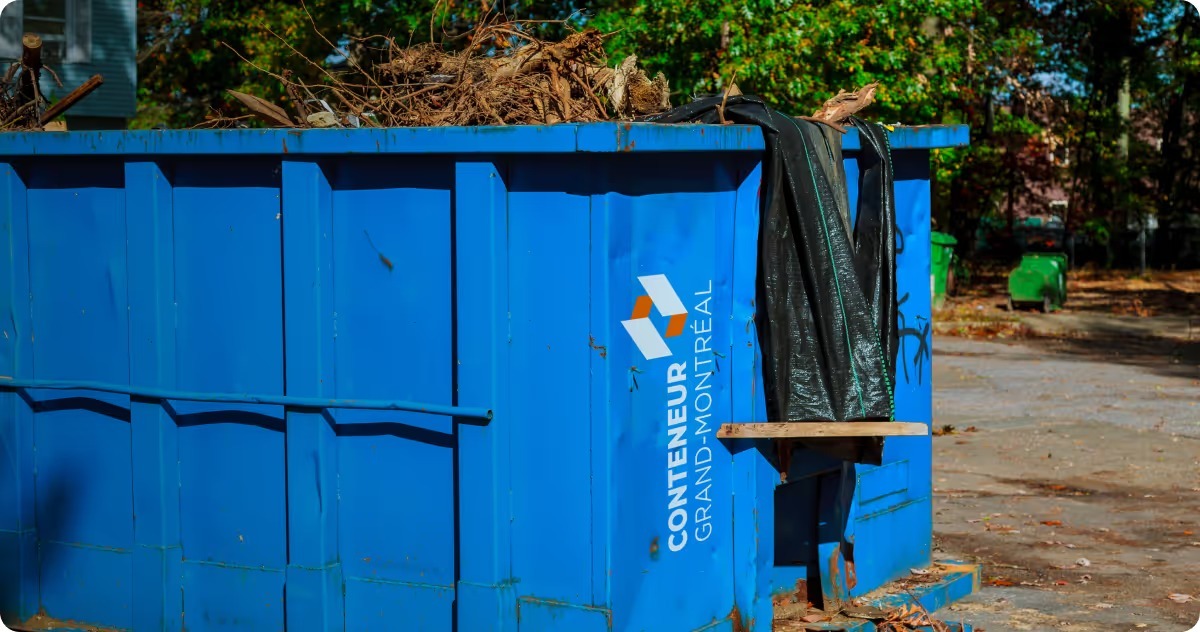
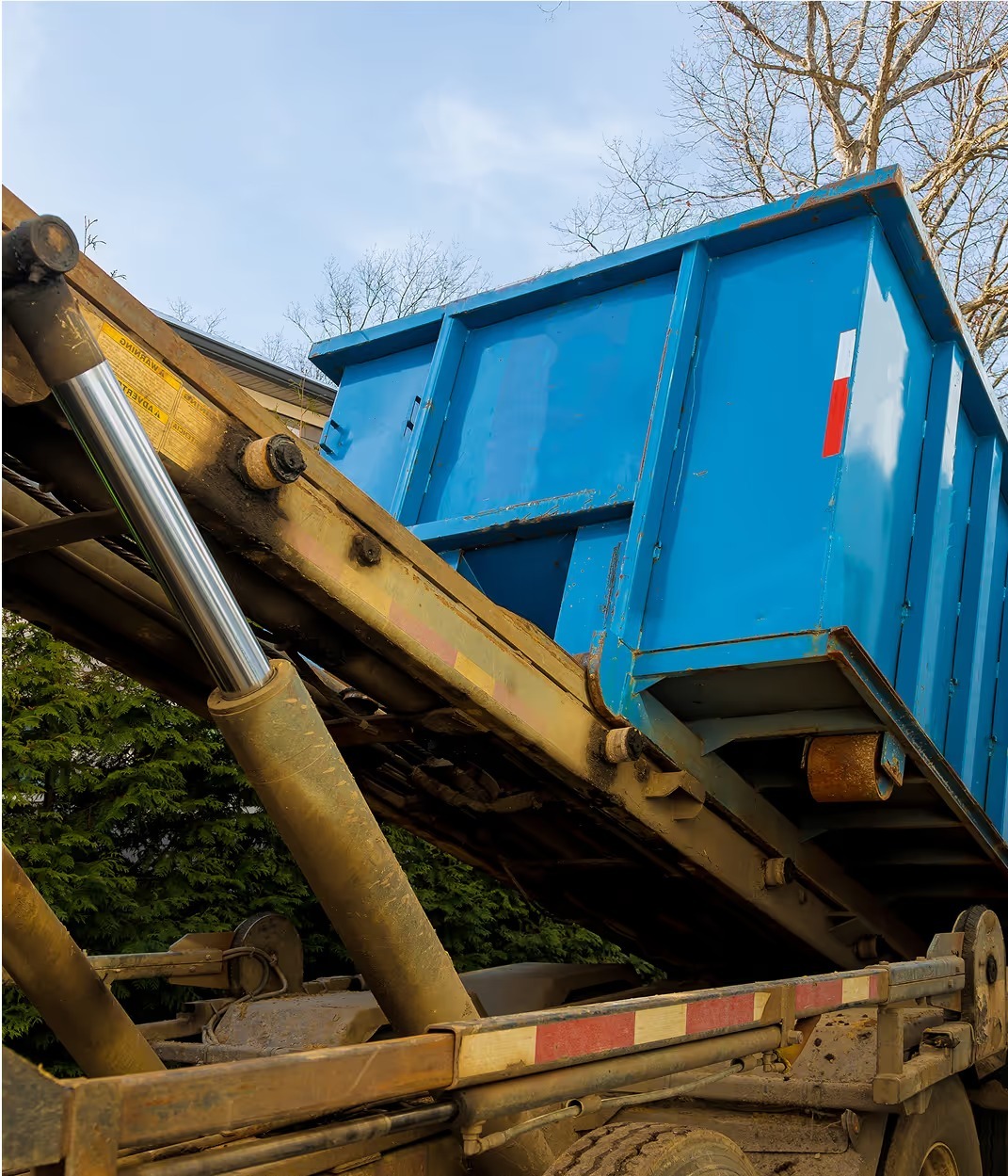
Standard containers, available in capacities of 10 to 40 cubic yards, meet the needs of the majority of commercial yards. These multi-purpose units accept common demolition materials: lumber, gypsum, concrete, asphalt shingles, and mixed debris.
For construction companies, the choice of capacity directly influences the profitability of the project. A 20-yard container is generally suitable for a standard commercial renovation, while industrial demolition projects require 30-40 yard units.
Recycling Containers for Environmental Compliance
Since the adoption of the Quebec residual materials management policy, businesses must demonstrate measurable evaluation efforts. Containers dedicated to recycling allow the separation of valuable materials at source: ferrous and non-ferrous metals, industrial cardboard, rigid plastics and untreated wood.
This proactive approach not only reduces landfill costs, but also improves your environmental balance, a criterion that is increasingly being examined in public and private tenders. An improperly sized container can lead to significant additional costs and operational inefficiencies.
Containers for Hazardous Materials and Specialized Residues
Projects involving renovations of old buildings or industrial operations often generate hazardous materials: asbestos, lead paint, waste oils, solvents, and industrial chemicals. These residues require certified containers and a chain of custody in accordance with the standards of RECYC-QUEBEC.
The use of a specialized partner guarantees compliance with handling protocols, secure transport and disposal in authorized facilities. This expertise protects your business against long-term environmental responsibilities and regulatory sanctions that can reach tens of thousands of dollars.
Select the Optimal Container According to the Parameters of your Project
Assessment of the Volume of Residual Materials
Underestimating the volume is the most costly mistake in waste management. For commercial projects, a professional evaluation takes into account the type of structure, demolition methods, and material expansion coefficient.
For example, the demolition of a gypsum partition generates an apparent volume that is three times greater than its initial volume. Experienced professionals apply proven ratios: count about 1 cubic yard of container per 100 square feet of floor for a standard commercial renovation, and up to 1.5 yards for a complete demolition.
Rental Duration and Rotation Planning
The rental period has a significant impact on operational efficiency. Commercial projects generally require periods of 2 to 8 weeks, with the possibility of renewal. Efficient planning of the work phases makes it possible to optimize the use of containers and to avoid retention costs.
For major projects, a regular rotation service maintains productivity and respects health and safety standards. A site cluttered with unevacuated waste multiplies the risk of accidents and slows down teams considerably.
Compatibility with the Types of Residues Generated
Each category of waste has characteristics that dictate the choice of container. Heavy materials such as concrete and asphalt require containers with reinforced walls and limited capacity to meet maximum road loads.
Mixed commercial renovation residues, combining wood, metals, plastics and gypsum, can be accommodated in standard containers with capacities of 20 to 30 yards. For specialized projects such as asbestos removal or soil decontamination, only certified and watertight containers meet legal requirements.
Good Installation and Use Practices
Site Preparation and Strategic Positioning
The location of the container directly influences the efficiency of operations. Choose a flat, stable and ideally paved surface, capable of supporting the combined weight of the container and its contents (up to 12 tons for a full 40 yards).
Be sure to maintain a minimum clearance of 14 feet in height and 12 feet in width to allow the crane truck to maneuver. For urban locations, coordination with municipal services is often necessary for the temporary occupation of public areas.
Professionals recommend positioning the container in the maximum proximity to intensive work areas, while maintaining the traffic lanes for heavy equipment and emergency vehicles.
Filling Management and Capacity Optimization
A methodical filling strategy maximizes the useful capacity of the container. Place bulky and rigid materials (beams, panels) first, then fill in the spaces with smaller residues. This approach increases the utilization rate by a lot compared to random filling.
Strictly respect the maximum filling line: overflows exposes the company to additional costs and create road safety risks. Carriers legitimately refuse to move containers that are overloaded or whose contents extend beyond the walls.
Regulatory Compliance and Traceability
The right documentation protects your business from future liabilities. Retain all waybills, disposal receipts, and recovery certificates for the prescribed regulatory period to ensure compliance with Quebec requirements for the management of residual materials.
For hazardous materials, the transport manifest is a mandatory legal document that represents waste from cradle to grave. Businesses that neglect these obligations are exposed to environmental liability lawsuits whose financial consequences can be considerable.
Accepted materials and regulatory restrictions
Common Residues Allowed in Standard Containers
Commercial containers generally accept the following materials:
- Untreated Construction Wood
- Gypsum board and drywall
- Interior and exterior cladding materials
- Ferrous and Non-Ferrous Metals
- Asphalt and Asphalt Shingles
- Concrete and masonry materials
- Building Bricks and Stones
- Rigid plastics and industrial packaging
- Corrugated cardboard and paper
To optimize recovery and reduce costs, establish a source sorting protocol. Separate materials benefit from lower disposal rates and some materials, such as metals, can even generate salvaged revenue.
Strict Prohibitions and Legal Implications
Standard containers categorically exclude the following materials:
- Propane tanks and pressure tanks
- Fuel tanks (gasoline, diesel, oil)
- Used tires and tyres
- Electronics and household appliances
- Materials containing asbestos
- Paints, solvents and varnishes
- Toxic and corrosive chemicals
- Biomedical waste and infectious materials
- Industrial batteries and accumulators
These exclusions are not simply a matter of commercial preferences, but of strict legal obligations. Bringing prohibited materials into a container exposes your business to substantial fines and can result in the refusal of collection, thus paralyzing your operations.
Excluded residues require specialized certified channels. A competent waste management partner directs you to the appropriate resources and coordinates all services to maintain the fluidity of your operations.
Why Entrust your Waste Management to Professionals
Container rental is much more than a one-time business transaction. Businesses that partner with experienced partners benefit from up-to-date regulatory expertise, optimized planning, and peace of mind in the face of environmental responsibilities.
Certified professionals accurately assess your needs, recommend appropriate solutions, and ensure total compliance with municipal, provincial and federal requirements. This preventative approach prevents costly mistakes and project interruptions.
Beyond the simple supply of equipment, a comprehensive service integrates logistical coordination, regulatory documentation, valuation advice, and the proactive resolution of the unexpected challenges that inevitably arise in complex projects.
Make the right decisions for your projects
Professional management of residual materials distinguishes companies that suffer from their constraints from those that transform them into operational advantages. A well-designed containerization strategy reduces costs, accelerates timelines, and strengthens your reputation as a responsible manager.
Our team has the expertise and resources to assess your specific needs, recommend optimal solutions, and ensure flawless execution. Whether you are planning a large-scale commercial project or looking for a reliable partner for your recurring needs, we support you every step of the way.
Contact our team today to discuss your project and obtain a professional evaluation adapted to your reality. Our specialists offer you tailor-made solutions that combine operational efficiency, regulatory compliance and environmental responsibility.
FAQs
FAQ
What are the legal obligations of companies when it comes to the management of construction waste in Quebec?
How do you accurately calculate the container capacity required for a commercial project?
Can the rental period of a container be changed during the project?
What documents should be kept to demonstrate the environmental compliance of a project?
How can you avoid unexpected additional costs when renting containers?