

Waste Container Rental: a Complete Guide for your Residential Projects
Renting waste containers considerably simplifies the management of residual materials during residential projects in Quebec. Whether you're planning a major renovation, a move, or a major cleaning, choosing the right container avoids hassles and respects local environmental standards. This guide helps you select the right solution for your situation and maximize the effectiveness of your project.

Residential projects often generate surprising amounts of waste. A kitchen renovation easily produces several tons of debris, while a garage cleaning can fill a vehicle multiple times. Going back and forth to the ecocenter quickly becomes exhausting.
Renting a waste container solves this problem by offering a practical and economical solution. According to Quebec residual materials management policy, residential owners must also contribute to reduction and valorization efforts. A well-chosen container facilitates sorting and encourages good environmental practices.
This guide takes you through all the steps: assessing your needs, choosing the right capacity, understanding the materials accepted and optimizing your rental.
The Types of Containers Adapted to Residential Projects
Standard Containers for Renovations and Cleaning
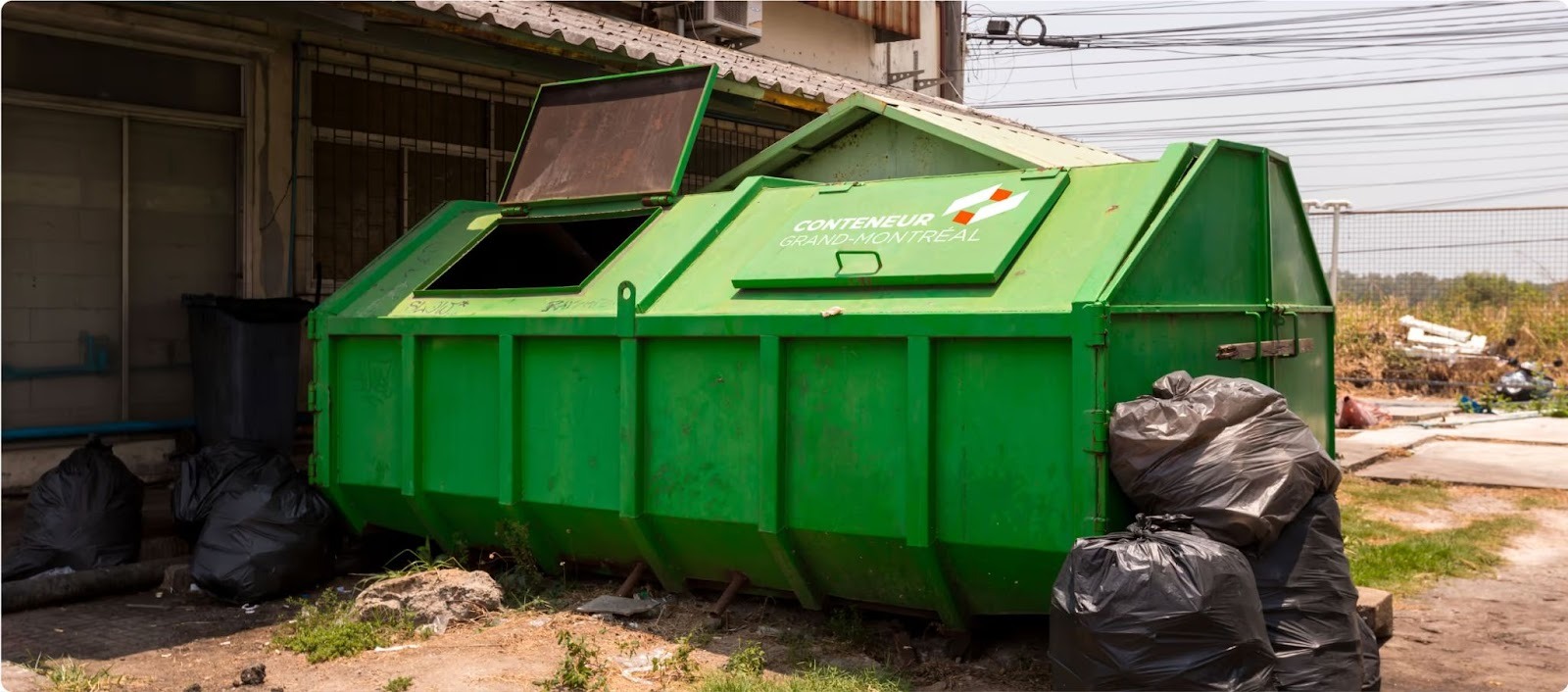
Residential containers generally come in capacities of 10 to 20 cubic yards, which are perfect for domestic projects. A 10-yard container is suitable for small jobs such as replacing flooring or cleaning a basement. For a complete bathroom renovation, a 15 yard offers the necessary space.
Large-scale projects such as the repair of a residential roof or the demolition of a shed generally require a 20-yard container. These units accept common building materials: wood, gypsum, asphalt shingles, pavements, and mixed debris.
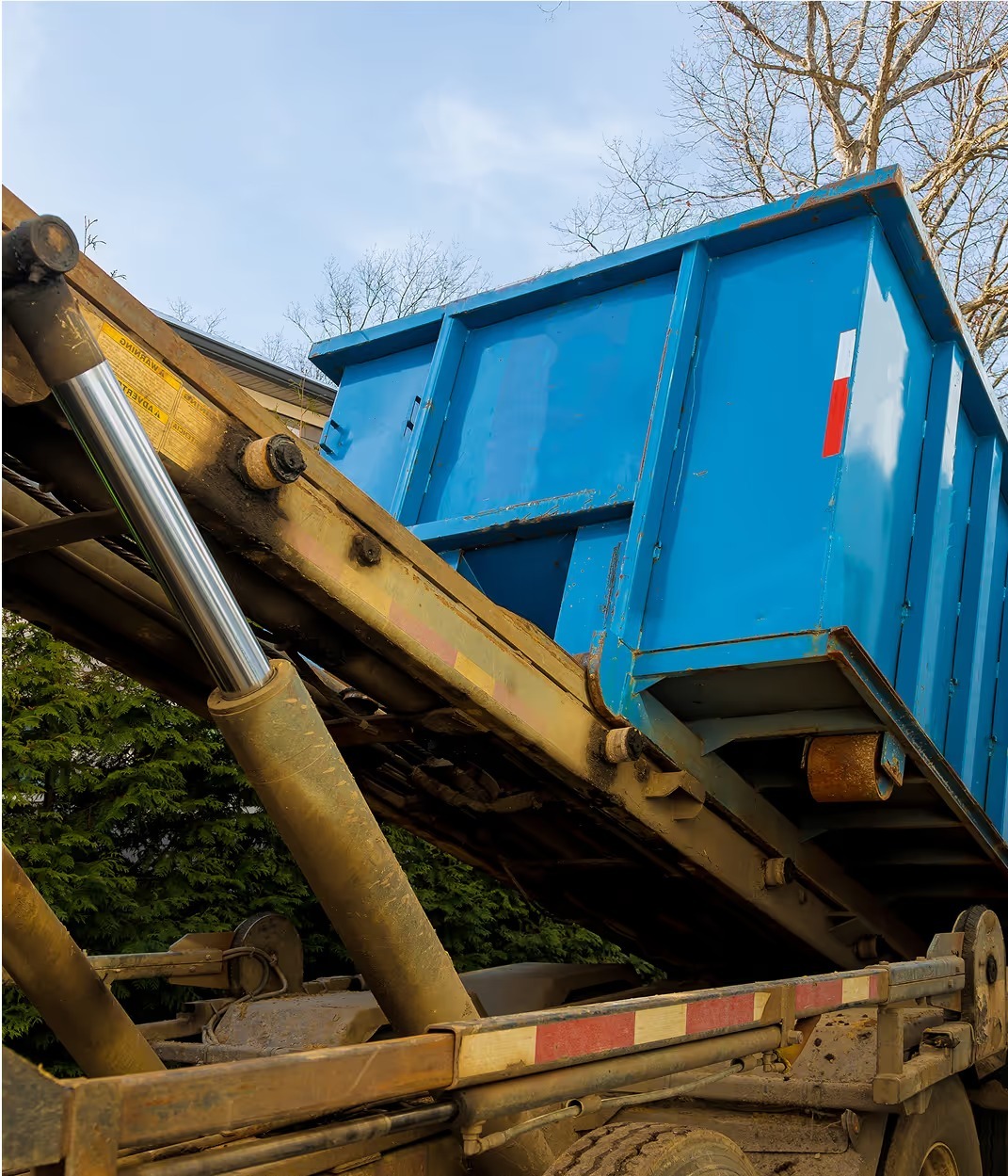
Delivery is usually made in your driveway or on the street in front of your property, depending on the space available and municipal regulations. The container stays on site for the agreed length of time, allowing you to work at your own pace without haste.
Containers for Recyclable Materials
More and more Quebec owners are choosing containers dedicated to recyclable materials. This responsible approach makes it possible to separate wood, metals, concrete and other valuable materials from waste destined for landfill.
Separation at source reduces disposal costs and contributes to Quebec's environmental goals. Some suppliers offer low rates for containers that contain only recyclable materials.
For mixed projects, you can rent two containers simultaneously: one for recyclable materials and one for non-recoverable waste. This strategy maximizes diversion from landfill.
Special Project Solutions
Some residential projects require special attention. Renovating an older home may involve materials containing asbestos or lead paint. These substances require certified containers and proper handling.
Earthmoving projects generate soil, stone, and gravel that require specialized containers. The high weight limits the usable capacity to meet the permitted road loads.
For these situations, always consult a professional who will assess your needs and guide you to the appropriate solution.
Choosing the ideal container for your project
Evaluate the Volume of Debris to be Managed
Underestimating volume is the most common mistake in renting residential containers. Demolition materials take up a lot more space than you might initially think. A broken gypsum board practically triples in volume compared to its installed condition.
For a realistic estimate, count about one cubic yard of container per standard room for a light renovation, and up to two yards for a complete demolition. A typical kitchen generates 3 to 5 cubic yards of debris, while a full bathroom produces 2 to 3 cubic yards of debris.
When in doubt, go for the larger size. A container that is too small will force you to rent a second unit or go back and forth more often, cancelling out the initial savings. Experienced suppliers can guide you based on detailed descriptions of your project.
Plan the Required Rental Period
Most residential rentals last one to two weeks, which is usually sufficient for standard renovation projects. Major seasonal cleanups or removals are often completed in just a few days.
Realistically assess your pace of work. If you are renovating in your free time after work, allow for a longer period of time. Unexpected delays frequently occur during residential projects: discovered structural problems, adverse weather conditions, or simply lack of available time.
Most providers offer extension flexibility for a reasonable daily or weekly fee. This option avoids the stress of completing hastily and ensures quality work without compromising safety.
Take Into Account Accesses and Restrictions
The location of the container directly influences the ease of use. Ideally, position it near your work area to minimize travel with heavy or bulky materials. Your driveway is generally the optimal location if space allows.
Check municipal requirements for the occupancy of public land. Many Quebec municipalities require a temporary permit to place a container on the street. This authorization is usually obtained from your city hall and may require a few days of processing.
Make sure the delivery truck has enough clearance: about 14 feet in height for electrical wires and tree branches, and 12 feet in width to maneuver. Protect your asphalt driveway by placing wooden planks under the container to distribute weight and prevent damage.
Prepare your Project Effectively
Proper preparation optimizes the use of the container and greatly facilitates the work. Before delivery, clear the warehouse area completely and create a secure path from your work area. Remove any obstacles that may interfere with moving with heavy loads.
Organize your demolition work methodically. Start by removing the reusable or recyclable items you want to keep. Then, proceed systematically by demolishing section by section rather than creating a general chaos that is difficult to manage.
Keep sturdy gloves, safety glasses, and cutting tools handy to reduce bulky materials. An intact gypsum board takes up much more space than the same board that is broken into two square foot pieces.
Optimize Container Filling
The filling strategy makes all the difference between a container that is full to capacity and a container that is half empty and requires a second location. Follow these steps to maximize space:
Step 1: Place heavy materials at the bottom
- Place wooden beams and structures first
- Add rigid panels and large parts
- Arrange large pieces of gypsum and dense materials
Step 2: Break up bulky materials
- Break the wooden planks on the edge of the container
- Break drywall sheets into manageable pieces
- Reduce all the bulky items to eliminate empty spaces
Step 3: Fill and balance
- Fill the gaps with small debris and packaging
- Add soft materials in the remaining spaces
- Distribute the weight evenly over the entire surface
- Respect the maximum filling line to avoid additional costs and road risks
Adhere to Good Security Practices
Safety remains a priority throughout the project. Never overload the container beyond its nominal capacity, especially with dense materials such as concrete, brick, or ceramic. Excessive weight prevents transport and exposes all parties involved to dangers.
Avoid throwing objects from a high height, which could damage the container or create dangerous projections. Instead, go down carefully to deposit materials in a controlled manner, especially heavy or sharp elements.
Keep the area around the container clean and clear. Scattered debris is a tripping hazard, especially if children or pets are on your property. A well-organized work site is a safe work site.
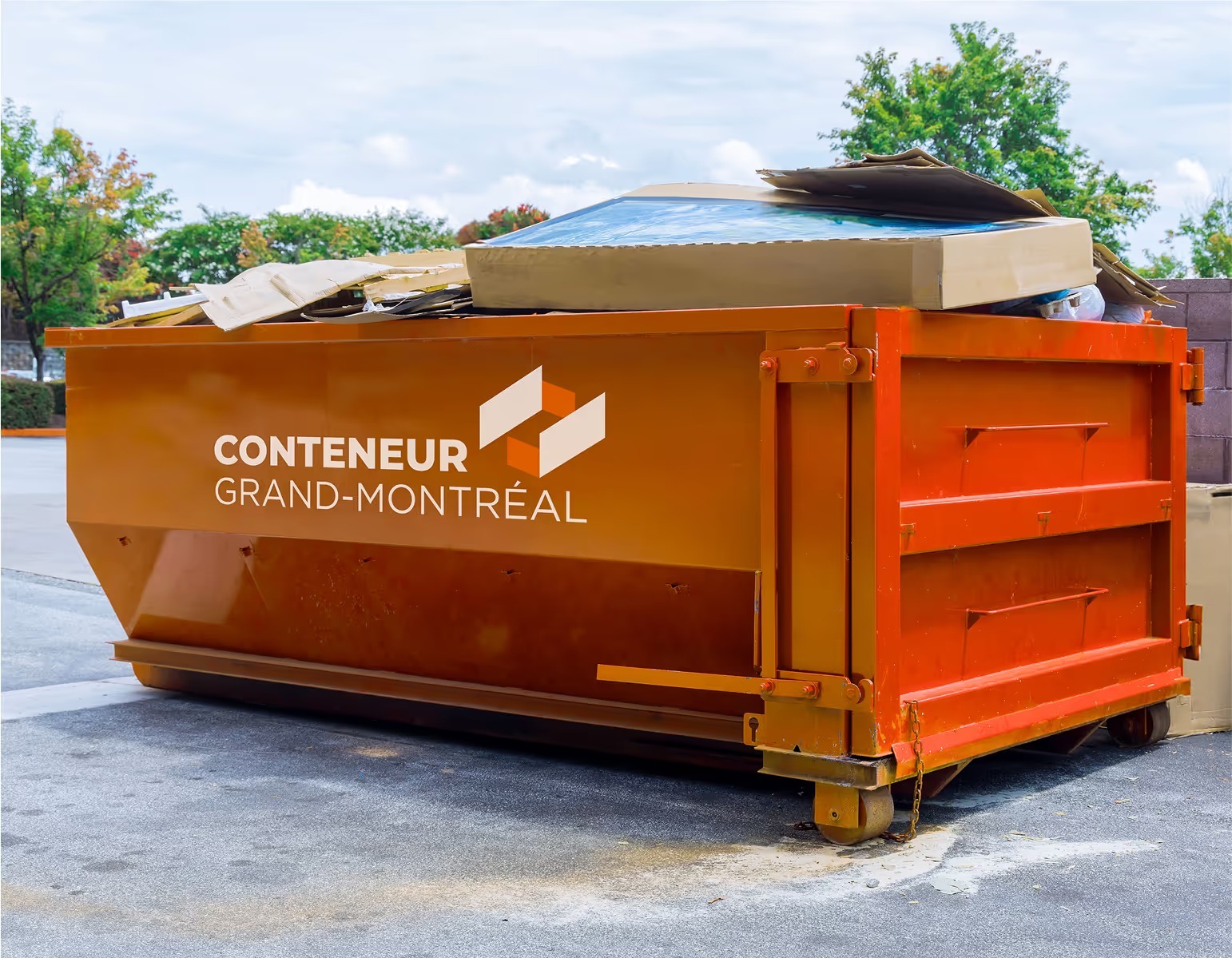
Accepted Materials and Significant Restrictions
What You Can Put In Your Home Container
Standard residential containers accept the majority of home renovation and cleaning waste:
- Construction wood, boards and plywood
- Gypsum board and partition materials
- Asphalt shingles and roofing materials
- Doors, windows and frames (wood, PVC, aluminum)
- Floor coverings (carpet, parquet, ceramic)
- Kitchen cabinets and bathroom vanities
- Furniture and appliances (check restrictions)
- Garden debris and branches (depending on limits)
- Packing cartons and packaging plastics
To maximize recovery, separate recyclable materials as much as possible. Clean wood, metals, and some plastics can be diverted from landfill, reducing the environmental impact of your project.
Strictly Forbidden Materials
Some materials absolutely cannot be placed in a standard residential container:
- Paints, solvents, thinners and varnishes
- Toxic household chemicals and cleaners
- Used oils, gasoline, and other flammable liquids
- Car batteries and household batteries
- Propane tanks and pressure tanks
- Appliances containing refrigerants (refrigerators, air conditioners)
- Vehicle tires and tractor tires
- Materials containing asbestos
- Electronic waste (televisions, computers)
These subjects require a specialized layout via the hazardous materials management centers of your region. Most of municipal ecocentres accept these residues free of charge for citizens, thus avoiding any risk of environmental contamination.
Bringing prohibited materials into your container can result in refusal of collection, substantial additional fees, and even municipal fines. When in doubt, always check with your supplier before you dispose of suspicious material.
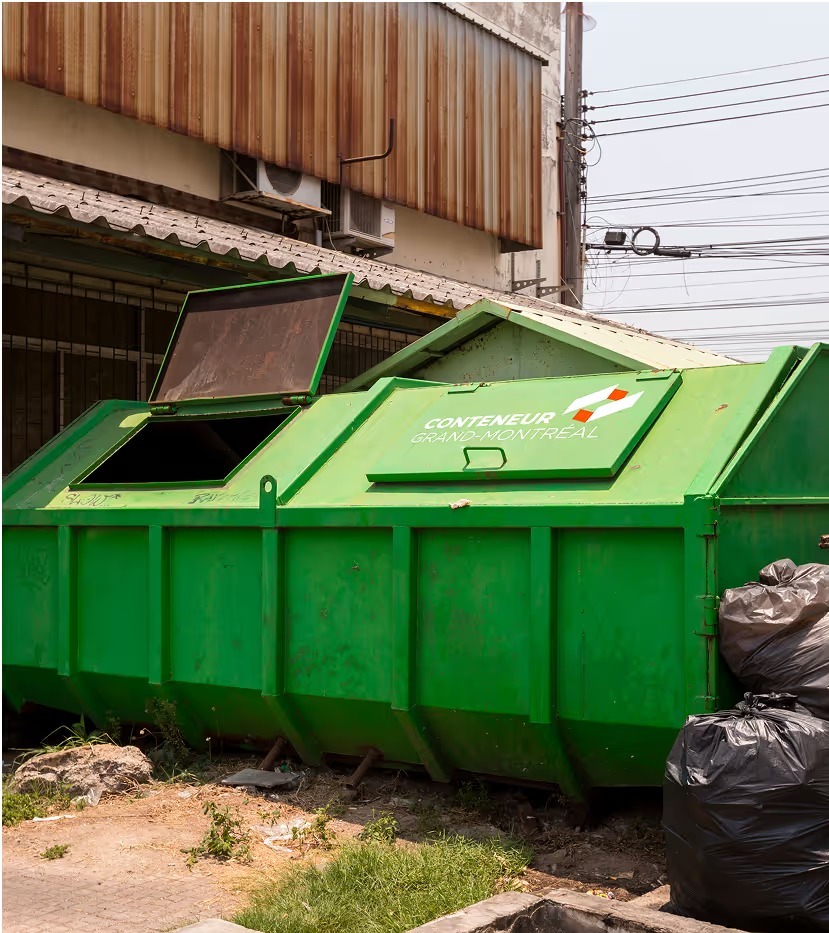
Why Use a Professional Service
Container rental goes beyond the simple delivery of a metal box. Professional suppliers provide expertise that simplifies your project and prevents costly mistakes. Their knowledge of municipal regulations saves you from administrative complications.
A comprehensive service includes assessing your real needs, recommending the appropriate capacity, and advising on the optimal location. Professionals anticipate challenges and offer solutions before problems occur.
You focus on your project while the experts manage the logistics, transport and correct arrangement of your materials.
Realize Your Projects With eEase
Renting a container turns your residential projects into smooth and organized experiences. The right containerization solution makes all the difference between a chaotic construction site and well-controlled work.
Knowledgeable owners plan their waste management right from the start of the project. This proactive approach avoids unpleasant surprises and maintains motivation throughout the work.
Contact our team today for personalized advice and a free assessment of your needs. We support you in selecting the perfect solution for your residential project, with a flexible service adapted to your schedule and budget. Simplify your work with professionals who understand the realities of Quebec homeowners.
FAQs
FAQ
What is the typical rental period for a residential renovation project in Quebec?
Do I need a municipal permit to place a container in front of my house?
How do I calculate the right container size for my kitchen renovation?
Can I mix different types of materials in the same residential container?
What should I do if my container fills up faster than expected?